
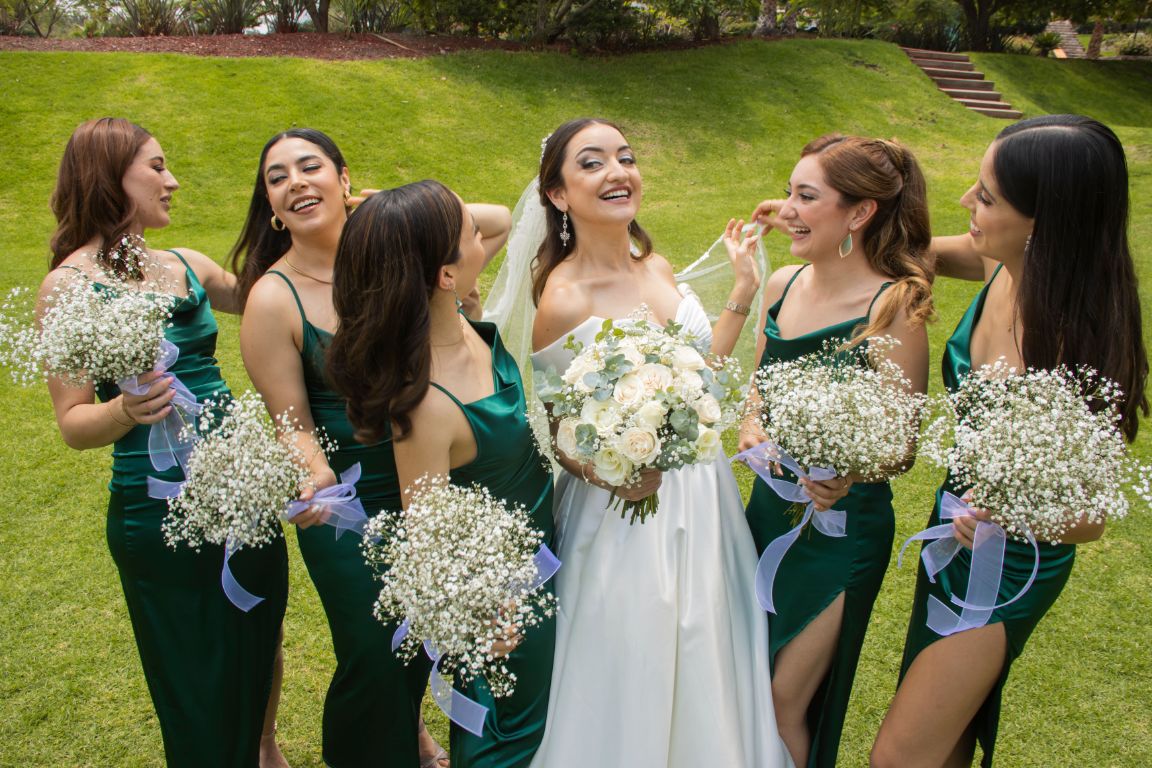
Bridesmaid Responsibilities: What to Expect Before and During the Wedding
Being asked to be a bridesmaid is meaningful. It means the couple sees you as someone they want close during one of the biggest moments of their lives.
It can also come with more responsibility than many people expect. Between dress fittings, group chats, planning events, travel, emotional support, and the wedding day itself, the role can become busy quickly.
The good news is that being a great bridesmaid does not mean doing everything perfectly. It means communicating clearly, showing up when it matters, and helping the bride feel supported throughout the process.
What Does a Bridesmaid Usually Do?
Every wedding is different, but bridesmaids often help with a mix of planning, practical tasks, and emotional support.
Your responsibilities may include:
- Attending important pre-wedding events
- Purchasing or coordinating your bridesmaid dress
- Joining dress fittings when needed
- Helping plan the bridal shower or bachelorette celebration
- Supporting the bride with small tasks and decisions
- Being available on the wedding day
- Helping guests, vendors, or family members when needed
- Bringing calm energy when the day becomes busy
Before agreeing to be a bridesmaid, it is completely reasonable to ask what the couple has in mind. A destination wedding, a large bridal party, or multiple events can require more time and money than a small local celebration.
Before the Wedding: Main Bridesmaid Responsibilities
Be honest about your availability
The most helpful thing you can do early is communicate clearly.
Let the bride know about major travel limitations, work commitments, budget concerns, or dates when you cannot attend. It is easier to set expectations at the beginning than to feel overwhelmed later.
You do not need to attend every single event to be a supportive bridesmaid. What matters is being honest, respectful, and present for the moments you can manage.
Order your dress and accessories on time
Bridesmaids are usually responsible for ordering their own dresses, shoes, jewelry, or other required items unless the couple says otherwise.
Once the dress is chosen:
- Order it as early as possible
- Confirm the size before purchasing
- Schedule alterations early
- Ask whether shoes, jewelry, wraps, or bags need to match
- Keep the bride updated if there is a delay
Avoid waiting until the last minute, especially when dresses need alterations or shipping times are uncertain.
Attend fittings and planning events when possible
Depending on the wedding, you may be invited to dress fittings, bridal showers, rehearsal dinners, or planning sessions.
You are not expected to become a full-time wedding planner, but showing up for a few key moments can make the bride feel cared for.
Even when you cannot attend in person, a thoughtful message, small contribution, or practical offer of help can still make a difference.
Help with the bridal shower or bachelorette celebration
The maid of honor often leads planning, but bridesmaids usually help with the details.
This could include:
- Sharing ideas for the event
- Contributing to the budget
- Helping choose a date or location
- Bringing decorations, food, games, or favors
- Helping set up and clean up
- Keeping the celebration focused on what the bride would actually enjoy
Not every bride wants a large bachelorette trip or elaborate shower. The best event is one that fits her personality, comfort level, and budget.
Offer practical help, not just general help
“Let me know if you need anything” is kind, but it can be hard for a busy bride to know what to ask for.
Instead, offer something specific:
- “I can help you organize the seating cards.”
- “I can pick up your welcome bags.”
- “I can help you review the guest list.”
- “I can handle the coffee and snacks for the getting-ready room.”
- “I can put together an emergency kit.”
Specific offers are easier to accept and more useful.
Emotional Support Matters Too
Wedding planning can be exciting, but it can also be stressful. There may be budget pressure, family opinions, difficult decisions, and last-minute changes.
A good bridesmaid does not need to solve every problem. Sometimes the most valuable thing is simply listening without making the moment bigger.
Try to be the person who brings reassurance instead of panic.
That may mean reminding the bride that not every detail has to be perfect, helping her step away from a stressful group chat, or keeping conversations positive when things feel tense.
Bridesmaid Responsibilities on the Wedding Day
The wedding day is where bridesmaids often become the support team behind the scenes.
Arrive on time and prepared
Know where you need to be, what time hair and makeup starts, and what you are expected to bring.
Pack your dress, shoes, accessories, undergarments, touch-up makeup, and any items the bride asked you to carry.
It also helps to bring a small emergency kit with things such as:
- Safety pins
- Fashion tape
- Tissues
- Pain reliever
- Blotting papers
- Bandages
- Mints
- Hair pins
- Phone charger
- Stain remover wipes
You may not need every item, but someone usually ends up needing something.
Help create a calm getting-ready environment
The getting-ready room can become chaotic quickly.
You can help by keeping bags organized, checking that the bride has water and food, helping with her dress, and making sure important items are easy to find.
Try not to create extra stress by asking the bride too many questions once the day begins. Save small decisions for the maid of honor, planner, coordinator, or another trusted person whenever possible.
Assist with the bride’s outfit
Depending on the dress, the bride may need help with buttons, a bustle, jewelry, veil placement, shoes, or a train.
Ask in advance whether she wants help with any of these things. It is also useful to know how the bustle works before the reception begins.
Be available for photos and ceremony timing
Keep your phone nearby but out of the way. Listen for instructions from the photographer, planner, or coordinator.
During photos, help the bride with her bouquet, train, veil, or touch-ups between shots. During the ceremony, stay aware of your position, bouquet placement, and timing.
Small details can make a big difference in photos.
Help guests when appropriate
Bridesmaids may be asked simple questions throughout the day:
- Where is the ceremony?
- What time does dinner begin?
- Where should gifts go?
- Is there a guest book?
- Where is the restroom?
- When is the couple arriving?
You do not need to know every answer, but you can help guide guests toward the planner, venue staff, or schedule signage.
Keep the energy positive at the reception
Once the formal parts are complete, bridesmaids can help keep the celebration moving.
That might mean encouraging guests onto the dance floor, checking on the bride, helping gather people for group photos, or making sure the couple gets a few quiet minutes to eat.
The goal is not to work all night. It is to help the couple enjoy the celebration they spent so much time planning.
What Bridesmaids Should Not Feel Pressured to Do
Being a bridesmaid should not mean ignoring your own financial, emotional, or personal limits.
You should not feel pressured to:
- Spend more than you can afford
- Attend every event regardless of circumstances
- Take on work that belongs to a professional planner
- Become involved in family conflict
- Stay silent when expectations are unclear
- Sacrifice your wellbeing to meet unrealistic demands
A kind conversation early can prevent a lot of tension later.
The Best Way to Be a Great Bridesmaid
The strongest bridesmaids are not necessarily the ones who spend the most money or attend the most events.
They are the ones who are dependable, thoughtful, and honest.
Show up when you can. Communicate when you cannot. Offer practical help. Keep the bride grounded. Be ready for the wedding day.
That is more than enough to make a real difference.
Key Takeaways
- Bridesmaid responsibilities vary, so ask about expectations early.
- Order your dress and accessories well ahead of time.
- Offer practical help instead of waiting to be asked.
- Be supportive during stressful planning moments.
- Arrive prepared and on time on the wedding day.
- Respect your own budget, schedule, and limits.
- The best bridesmaids bring calm, kindness, and reliability.