Black-Tie Optional Wedding Attire: What Guests Should Wear
Black-tie optional is a dress code that sounds flexible, but it still sets a clear expectation: the wedding will be formal.
You do not have to arrive in a tuxedo or floor-length gown. You do need to look like you could have.
That is the easiest way to understand it. The couple is inviting guests to dress at a black-tie level if they wish, while allowing polished formal alternatives for those who do not own eveningwear. It is not a casual dress code with a fancy name. A suit that works for an office meeting or a short party is unlikely to feel formal enough here.
What Does Black-Tie Optional Mean?
A black-tie optional wedding is usually held in the evening or at a venue with a more elevated atmosphere: a ballroom, hotel, private estate, formal restaurant, or historic venue.
The couple is saying that tuxedos and long gowns are welcome, but not required. Guests can choose a formal alternative as long as it still fits the occasion.
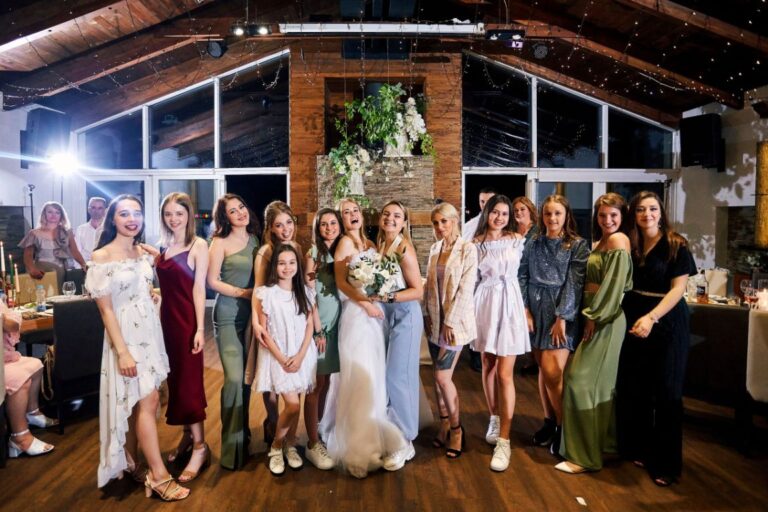
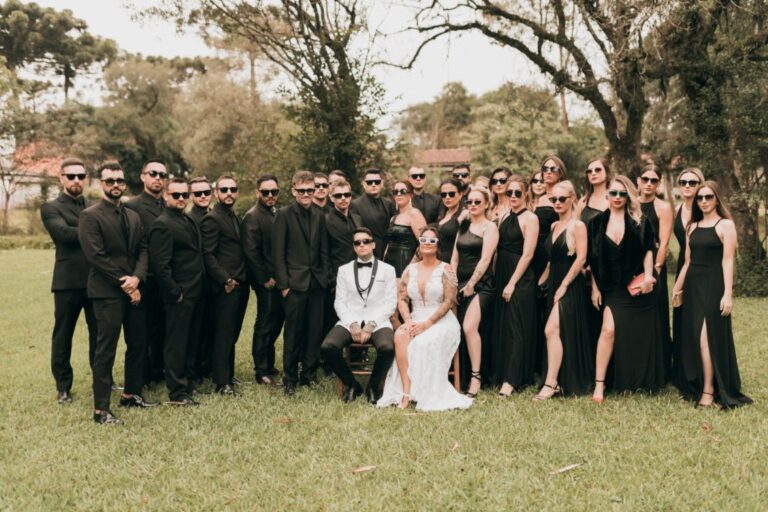
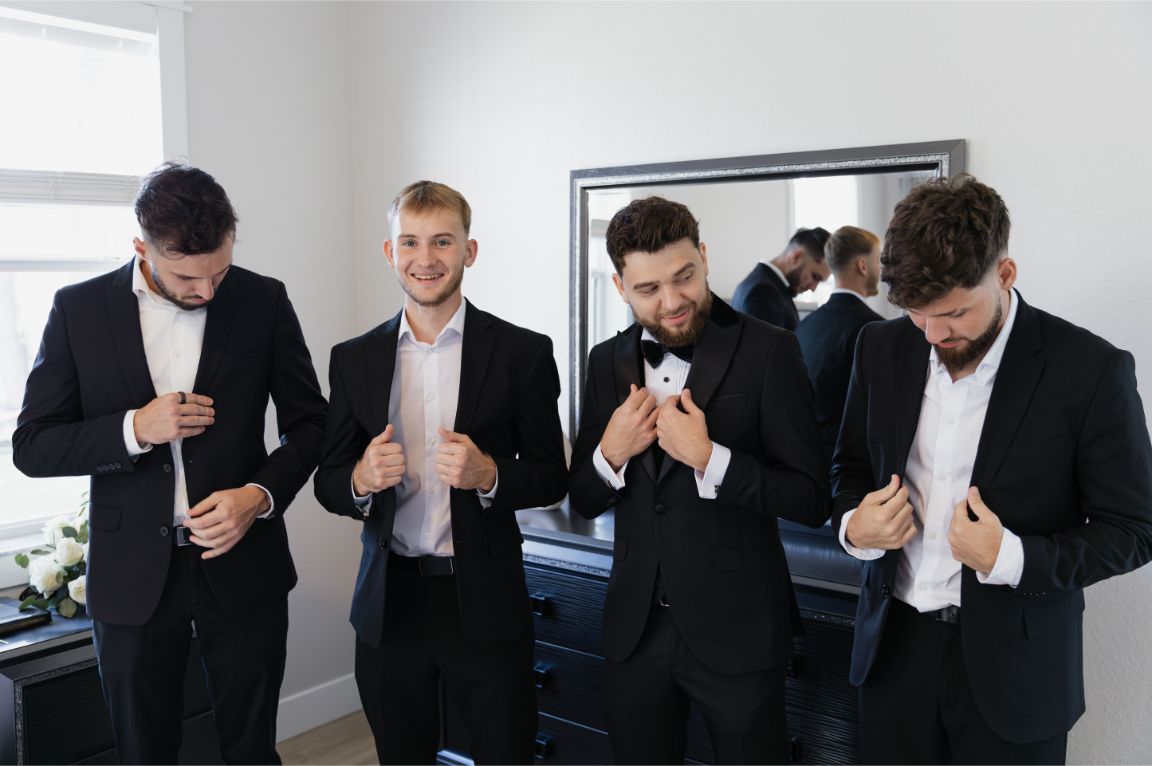
For women, that may mean a floor-length gown, dressy midi dress, or elegant jumpsuit. For men, a tuxedo is appropriate, but a dark suit with a formal shirt and tie is also completely acceptable.
The important word is not optional. It is black tie.
What Women Can Wear
A long evening dress is always a safe choice for black-tie optional. It does not need to be dramatic or heavily embellished, but it should have a refined finish and feel more elevated than a standard cocktail dress.
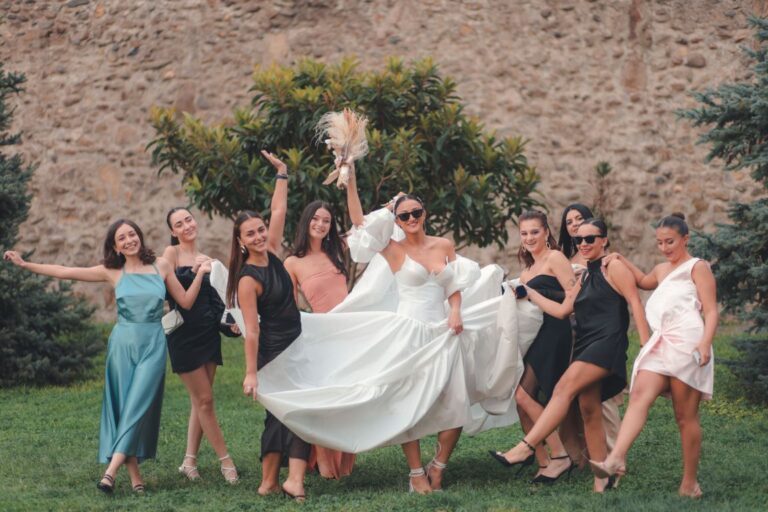
A formal midi dress can work just as well, especially when it is made from satin, crepe, velvet, chiffon, or another occasion-ready fabric. The shape should feel intentional. A simple black column dress, a structured midi with a defined waist, or a softly draped dress in a rich color can all look right.
An elegant jumpsuit is also possible, particularly for someone who prefers trousers. Look for one with clean tailoring, a dressy fabric, and shoes that feel appropriate for an evening event.
For accessories, think polished rather than overloaded. A small clutch, delicate jewelry, heeled sandals, slingbacks, or refined flats are enough. You do not need every piece to sparkle.
What Men Can Wear
A tuxedo is welcome, especially for an evening wedding. If you own one and enjoy wearing it, this is an appropriate occasion.
A dark suit is equally acceptable. Navy, charcoal, or black are the strongest choices. Pair it with a crisp white or pale dress shirt, a conservative tie or bow tie, dark socks, and polished leather shoes.
This is one of those dress codes where the details matter. A wrinkled shirt, casual belt, overly bright tie, or worn shoes can pull the outfit down quickly. The suit does not need to be expensive, but it should fit properly and look cared for.
A blazer with separate trousers is generally too relaxed unless the invitation, venue, and couple’s style clearly suggest otherwise.
Is a Long Dress Required?
No. A long dress is appropriate, but it is not mandatory.
A formal midi dress can look just as polished, especially for a wedding that begins earlier in the day or has a slightly more relaxed setting. The key is to avoid anything that reads as daytime casual, such as a lightweight sundress, simple cotton wrap dress, or casual floral piece that would feel at home at brunch.
When in doubt, look at the fabric first. Satin, velvet, crepe, silk-like materials, and subtle embellishment tend to signal formality more effectively than the hemline alone.
Can You Wear Black?
Yes. Black is an excellent choice for a black-tie optional wedding.
It is elegant, easy to style, and especially fitting for an evening reception. A black dress, dark suit, or tuxedo will rarely look out of place.
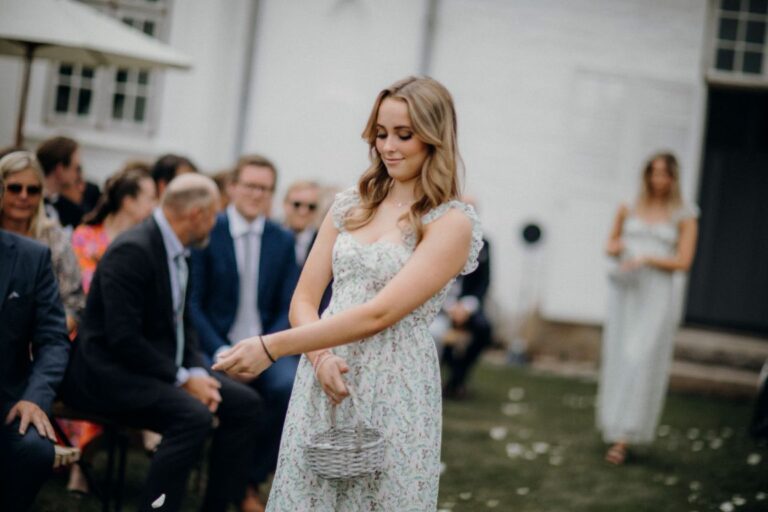
The only thing to consider is the mood of the wedding. For a daytime garden ceremony in spring, you may prefer navy, emerald, plum, soft metallics, or a rich floral print. Black still works, but a lighter or more colorful option can feel more in step with the setting.
What to Avoid
Black-tie optional is forgiving, but not unlimited. A few things are better left at home:
- Casual dresses, sundresses, or everyday jumpsuits
- Jeans, chinos, sneakers, or casual loafers
- Very short party dresses
- Light linen suits that feel more suited to a beach wedding
- Oversized bags, casual totes, or loud accessories
- Anything white, ivory, cream, or bridal-looking
You also do not need to overcorrect with a prom-style gown, costume-like tuxedo accessories, or a look that feels more theatrical than formal. The best outfits are elegant without looking like they are trying too hard.
Let the Venue Help You Decide
The venue often tells you how far to lean into the dress code.
A candlelit ballroom wedding calls for darker colors, formal fabrics, and evening shoes. A vineyard wedding may still be black-tie optional, but a softer gown or a dark suit with a slightly more relaxed tie can make sense. For a formal outdoor wedding, consider the ground before choosing narrow heels or long trousers that may drag.
Weather matters too. A velvet dress or wool suit can feel perfect in late fall but heavy at a summer wedding. Formal does not have to mean uncomfortable.
A Reliable Formula
For women: choose a formal midi or long dress, add polished shoes, carry a small bag, and keep the accessories refined.
For men: wear a tuxedo or dark suit, a proper dress shirt, a tie or bow tie, and clean leather shoes.
That is enough. You do not need to interpret the dress code creatively unless you genuinely enjoy doing so.
Final Thoughts
Black-tie optional gives you a choice, but it does not lower the standard.
Dress as though you are attending a formal evening celebration, then choose the version that feels most like you. A beautiful long dress, refined midi, tuxedo, or well-fitted dark suit will all feel appropriate.
The safest approach is simple: it is better to be slightly overdressed than the guest who looks like they misunderstood the invitation.